Conversational AI is reshaping digital marketing, turning one-way messages into real conversations that convert. Chatbot marketing now stands at the center of this transformation—helping brands engage customers, qualify leads, and deliver personalized experiences at scale.
In this guide, we’ll break down everything you need to know about marketing chatbots—what they are, how they work, and how to use them to power your digital marketing strategy in 2025 and beyond.
What is chatbot marketing?
Chatbot marketing is the use of artificial intelligence-powered marketing chatbots to engage customers, promote products, and increase conversions through personalized, real-time conversations. In simple terms, it’s a way to use chatbots in digital marketing to communicate with your audience directly where they already spend their time—on websites, messaging apps, and social media platforms—and move them closer to buying, subscribing, or staying loyal to your brand.
Unlike traditional marketing tactics that rely on one-way communication, chatbot digital marketing enables two-way customer interactions. These AI chatbots can answer questions, provide product recommendations, promote offers, and collect user feedback—making your digital marketing strategy more human, responsive, and scalable.
Customer service chatbots vs Marketing chatbots
While these two types of chatbots often look similar on the surface, customer service chatbots and marketing chatbots play very different roles.
Service chatbots focus on helping existing customers—answering FAQs, sharing product information, managing account updates, or routing complex customer support queries to a human agent.
Chatbots for marketing, on the other hand, live earlier in the funnel. They attract attention, qualify leads, promote offers, and keep people engaged throughout the buying journey.
|
Aspect |
Customer service chatbot |
Marketing chatbot |
|
Main goal |
Handle support requests and improve post-purchase experience |
Capture leads, promote products, and increase engagement |
|
Funnel stage |
After purchase (customer care and retention) |
Pre-purchase and mid-funnel (awareness and conversion) |
|
Tone |
Helpful and informative |
Conversational and persuasive |
|
Key metrics |
Response time, issue resolution, satisfaction score |
Lead volume, engagement rate, conversion rate |
|
Common uses |
Answer FAQs, basic troubleshooting, collect feedback |
Lead generation chatbot, product recommendation chatbot, promotional campaign bot |
What are the different types of marketing chatbots available for businesses?
Just like there are different types of chatbots based on use cases, there are also different types of marketing chatbots, each built for specific goals and user interactions.
Depending on key chatbot features and the technology behind them, they generally fall into two main categories: rule-based chatbots and AI-powered chatbots.
The choice between them depends on your marketing process, the complexity of customer interactions, the level of personalization you need, and how much control you want over the conversational flow.
Rule-based marketing chatbots
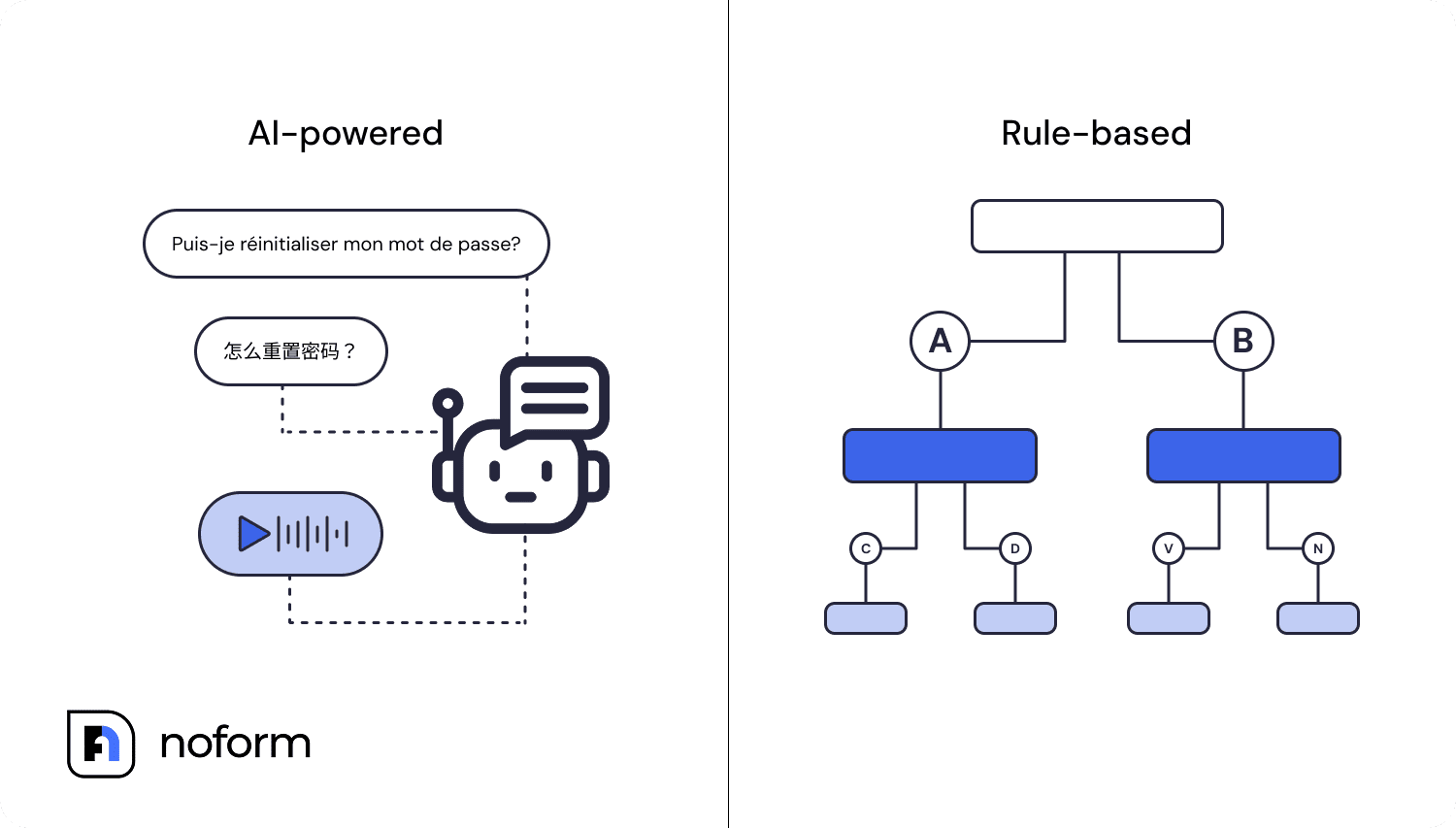
Rule-based chatbots follow scripted conversational flows built on decision trees. They react to specific keywords or button inputs, making them ideal for FAQs, routine queries, and simple marketing campaigns like promotions or lead capture. They’re quick to set up, affordable, and predictable—perfect for teams starting with chatbots in digital marketing.
However, they can’t handle unexpected questions or adapt to context, which limits personalization and affects user experience.
AI-powered chatbots
AI-powered chatbots use natural language processing (NLP), machine learning (ML), and sometimes even a large language model (LLM) to understand user intent and respond dynamically. These bots can interpret context, learn from previous interactions, and deliver personalized recommendations that feel genuinely conversational.
Because they use AI, they improve with time—analyzing user data and refining their responses to sound more natural and relevant. This makes them ideal for brands aiming to create engaging, human-like conversations that drive conversions and deepen customer relationships.
Here’s how the two types compare side-by-side for you to understand which one is better suited for your chatbot marketing strategy:
|
Feature |
Rule-based chatbot |
AI-powered chatbot |
|
Technology |
Scripted logic and decision trees |
NLP, machine learning, large language model |
|
Conversational flow |
Fixed and pre-set |
Adaptive, context-aware |
|
Personalization |
Basic |
Highly tailored |
|
Capabilities |
FAQs, lead capture, simple promotions |
Dynamic conversations, personalized recommendations |
|
Maintenance |
Low effort |
Continuous learning and optimization |
|
Cost |
Lower setup cost |
Higher investment, greater ROI |
|
Best for |
Predictable interactions |
Scalable, personalized digital marketing strategies |
What are the key benefits of implementing chatbot marketing strategies for your business?
As marketing chatbots become smarter and easier to integrate, they’ve shifted from novelty to necessity. Businesses that use chatbots in their marketing strategies report higher engagement, stronger conversions, and greater customer satisfaction.
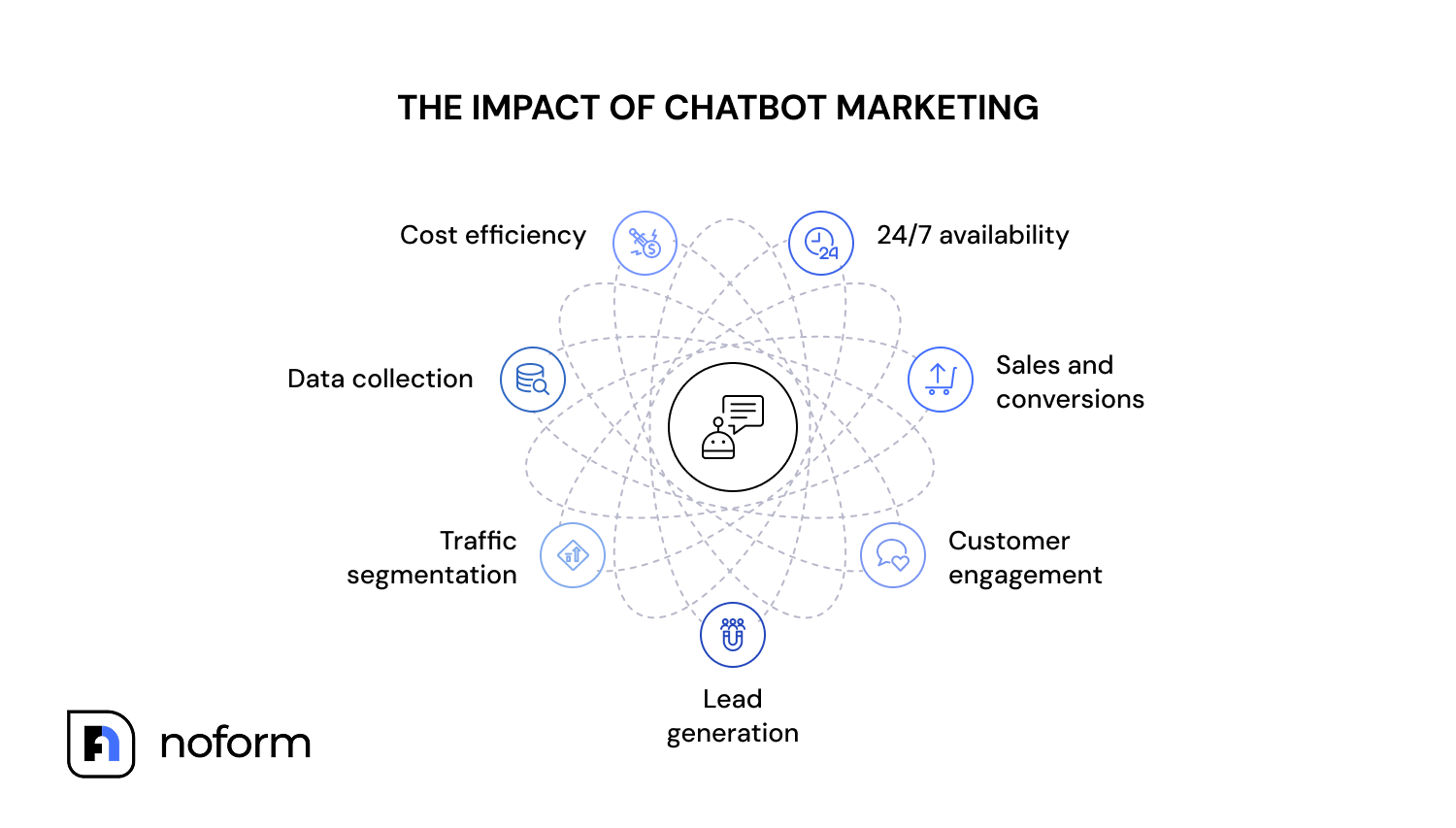
Whether you’re streamlining communication or personalizing every chatbot response, the benefits go far beyond convenience. Here’s how chatbots help businesses grow:
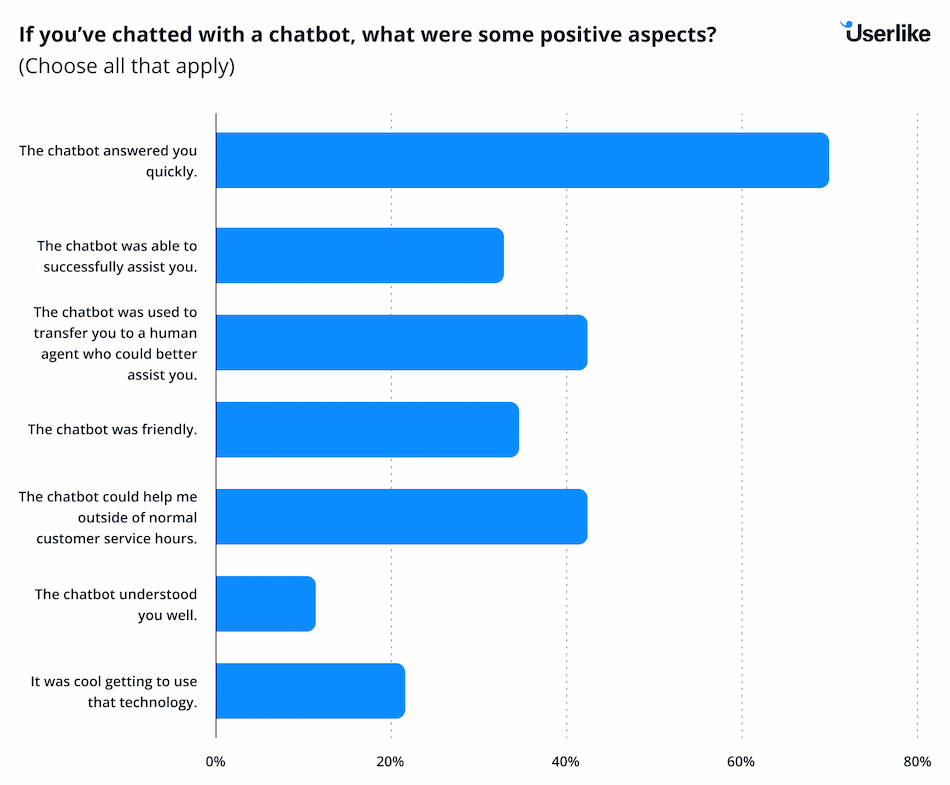
- 24/7 availability and instant response: Chatbots never sleep—68% of users appreciate their speed. For example, Dog Gone Taxi’s chatbot enabled round-the-clock availability, boosting online quote requests and significantly improving customer satisfaction. IBM estimates that chatbots can handle 80% of routine customer service questions, significantly improving response times and 24/7 availability.
- Boosting sales and conversions: Chatbots power conversational shopping, upselling, and personalized promotions. Companies using chatbots see a 67% higher conversion rate than those that don’t.
- Enhanced customer engagement: Today, 78% of customers expect more personalization in interactions than ever before. Chatbots meet that demand by offering personalized experiences, smart product recommendations, and interactive content that sustain engagement.
- Lead generation and qualification: Marketing lead qualification chatbots excel at user segmentation, asking the right questions, and capturing high-quality leads. 36% of businesses include chatbots in their lead generation strategies to boost efficiency as chatbot-led quizzes deliver 20% better qualification rates than static forms. For instance, Dog Gone Taxi saw a 37% increase in leads, turning conversational interactions into measurable growth.
- Traffic segmentation: Chatbots track website visitor behavior to group audiences by intent, preference, or activity—fueling more precise marketing automation. With Noform AI, you can create multiple assistants for different pages or scenarios, such as a Sales Assistant on the Pricing page or a specialized bot for Real Estate inquiries. These bots can collect information like email, budget, timeline, or interests, effectively segmenting your audience by intent and preferences.
- Data collection and insights: Chatbots capture customer data (contact info, preferences, and engagement trends) to refine marketing strategies and optimize campaigns.
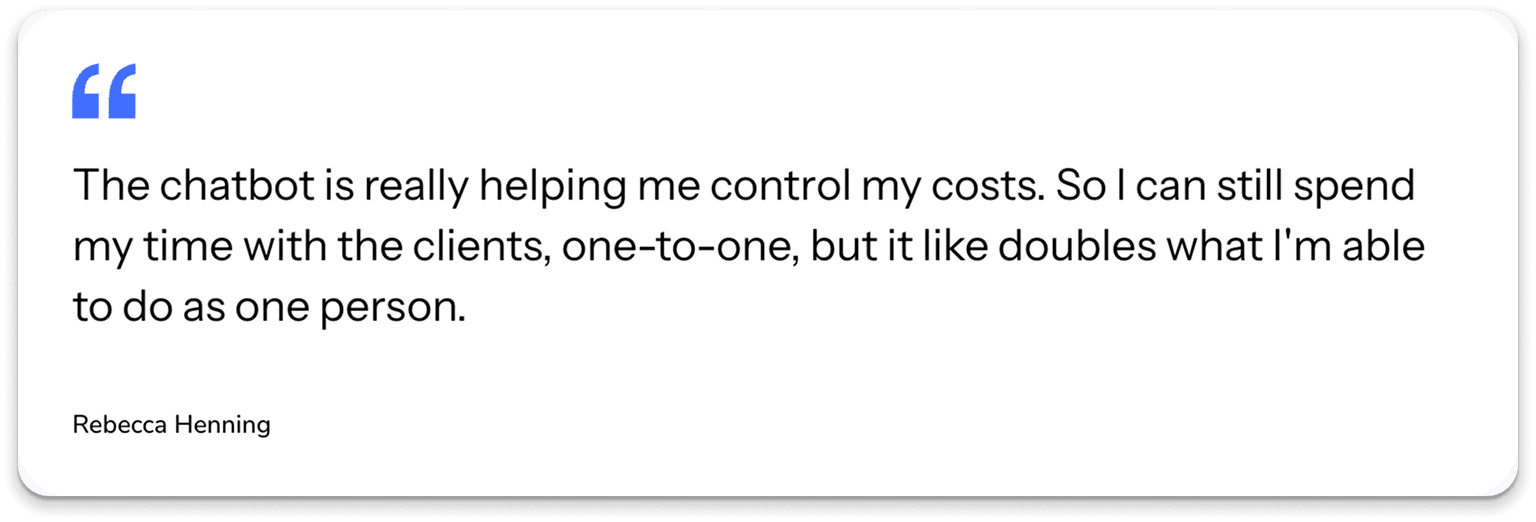
- Cost efficiency and scalability: Automating routine interactions, chatbots provide consistent support at lower cost, freeing teams for strategic, creative work as they scale.
Of course, marketing chatbots come with several challenges you need to know about before you commit. Check out our article on chatbot pros and cons to paint a fuller picture.
How to use chatbot marketing (examples & use cases)
Now that we’ve covered the main benefits, let’s look at how businesses actually use chatbots in their marketing. There’s a wide range of ways to integrate a marketing chatbot into your existing workflows—from sales and promotions to feedback collection and community engagement. Below are the most effective and widely used applications that show how chatbots provide real, measurable value across industries.
Guiding purchases and recommending products
One of the most common uses of chatbots in marketing is helping customers navigate buying decisions in real time. According to Intercom, 41% of all business chatbots support sales, enabling 35% of business leaders to close deals faster.
Ecommerce AI chatbots assist shoppers by answering questions about availability, delivery options, or specifications and by recommending products that match their preferences or behavior. These product recommendation chatbots personalize the shopping journey, reducing friction and improving the overall customer experience.
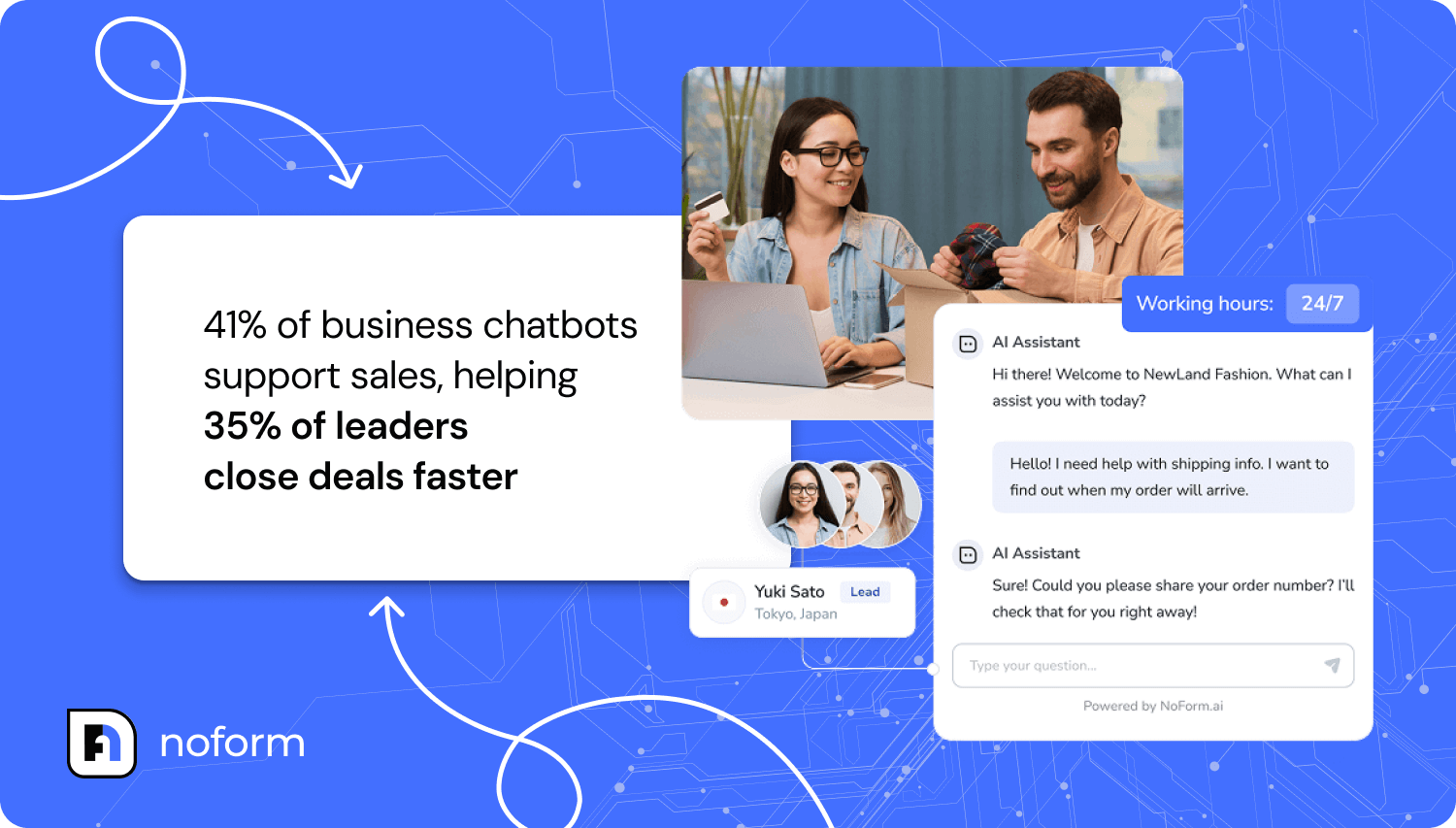
They can also recover lost sales by reminding users about abandoned carts—an automation that can increase conversion rates by up to 70% in some sectors.
Promoting products, launches, and limited-time offers
While recommendation chatbots help users find the right products, promotional chatbots spotlight what’s new or discounted. Marketing chatbots automate seasonal discounts, launches, and personalized offers, delivering them to the right audience based on purchase history or browsing intent.
A timely chatbot response can feature limited-time deals or bundles, driving engagement and boosting sales without resorting to intrusive ads.
Sharing news, updates, and events
Beyond promotions, marketing chatbots also keep audiences informed. They share company updates, product improvements, or upcoming event details directly in chat—where customers are already active.
This real-time delivery ensures messages aren’t lost in crowded inboxes or feeds, sustaining engagement and reinforcing ongoing relationships through timely, conversational communication.
Scheduling appointments and bookings
For service-based businesses like salons, gyms, or clinics, chatbots make booking simpler by guiding customers to the right time and place—without the back-and-forth. Instead of filling out forms or calling, users can chat briefly and receive a calendar link to book their own session.
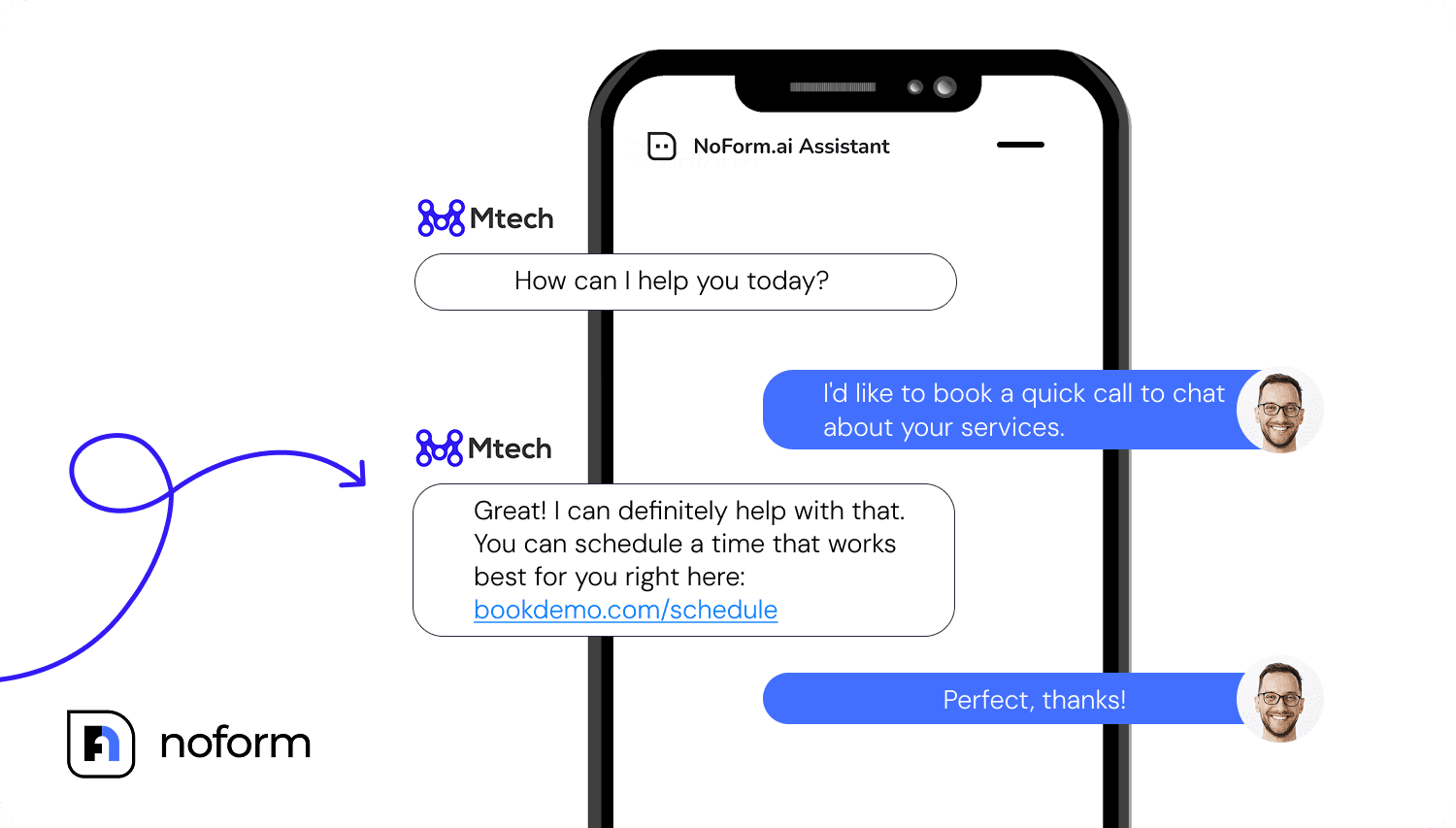
The chatbot instantly shares booking links, reducing admin workload while improving the customer experience with a faster, more convenient process.
Collecting leads and building email lists
Lead generation chatbots use smart, conversational flows to qualify visitors and collect contact details for lead nurturing. Instead of static forms, they engage users in natural, two-way conversations—asking relevant questions, identifying intent, and capturing accurate data along the way.
Strengthening community engagement
Marketing doesn’t stop at the sale. Chatbots help onboard new users, share interactive quizzes (beyond those used for customer acquisition), and answer FAQs to keep communities active and informed.
By personalizing interactions and guiding users through your ecosystem, chatbots maintain interest and reinforce brand loyalty. They’re particularly useful in membership-driven environments where continuous engagement drives retention.
Gathering feedback and reviews
Finally, chatbots help collect customer reviews, ratings, and quick CSAT polls without adding friction. By engaging users while their experience is still fresh, they deliver more accurate and actionable insights. The data collected feeds directly into marketing automation tools, allowing you to track satisfaction trends and optimize future campaigns.
What is a chatbot marketing strategy — and how do you build one?
A chatbot marketing strategy is a plan for deploying AI-powered chatbots across specific stages of your marketing funnel, with defined goals, audience segments, and success metrics for each deployment. Without a strategy, even a well-built chatbot wastes budget answering questions that don’t move prospects forward.
Building a strong chatbot marketing strategy comes down to three decisions:
- Map your funnel to your chatbot placements
Different pages represent different stages of buyer intent. A visitor on your homepage is in awareness mode. A visitor on your pricing page is in decision mode. Your chatbot’s tone, opening message, and qualification questions should reflect where in the journey the visitor is.
- Awareness stage (blog posts, homepage): Answer broad questions, share relevant resources, offer to help find what they need
- Consideration stage (product pages, features): Handle objections, compare options, explain use cases
- Decision stage (pricing page, checkout): Capture contact details, offer a demo, remove last-minute friction
With NoForm AI, you can assign different assistants to specific URL patterns — so your pricing page bot asks tighter qualification questions than your blog bot.
- Define your qualification criteria before you launch
A chatbot marketing strategy only delivers qualified leads if you define “qualified” upfront. Decide which data points matter — budget range, company size, service type, timeline, geographic location — and configure your bot to collect them progressively through conversation rather than in a single form dump.
The NoForm AI platform lets you set custom qualification attributes, so the moment a visitor provides an email or phone number alongside the right criteria, the conversation is flagged as a lead, and your sales team gets an instant notification with an AI-generated summary.
- Connect chatbot output to your broader marketing stack
Leads captured in chat should flow directly into your CRM. Via Zapier, Make, or a native webhook, NoForm syncs lead data and AI-generated chat summaries into HubSpot, Salesforce, Pipedrive, or any tool in your stack — so no lead requires manual data entry.
A chatbot marketing strategy that doesn’t feed your CRM is just a conversation tool. Connected to your stack, it becomes a pipeline.
Chatbot marketing advantages and disadvantages
Chatbot marketing’s primary advantage is speed — bots respond in under 3 seconds, 24/7, without the staffing costs of live chat. The core disadvantages are setup investment and the risk of poor user experience if the bot isn’t well-configured.
Chatbot marketing advantages
- Always-on lead capture: Bots don’t go offline at 5pm. A visitor researching your pricing at midnight gets immediate answers — and becomes a lead you’d otherwise miss.
- Lower cost per lead: Once configured, chatbots handle thousands of simultaneous conversations without adding headcount. IBM estimates chatbots can handle 80% of routine customer queries.
- Better lead quality: Chatbots that collect qualification data (company size, budget, timeline) before passing to sales mean your reps spend time on prospects worth pursuing — not cold follow-ups.
- Faster response = higher conversion: Responding within 5 minutes makes a prospect 21x more likely to qualify versus a 30-minute delay (Harvard Business Review). A chatbot responds in seconds.
- Richer data: Every conversation generates a transcript, a summary, and qualification data — all searchable and synced to your CRM.
Chatbot marketing disadvantages
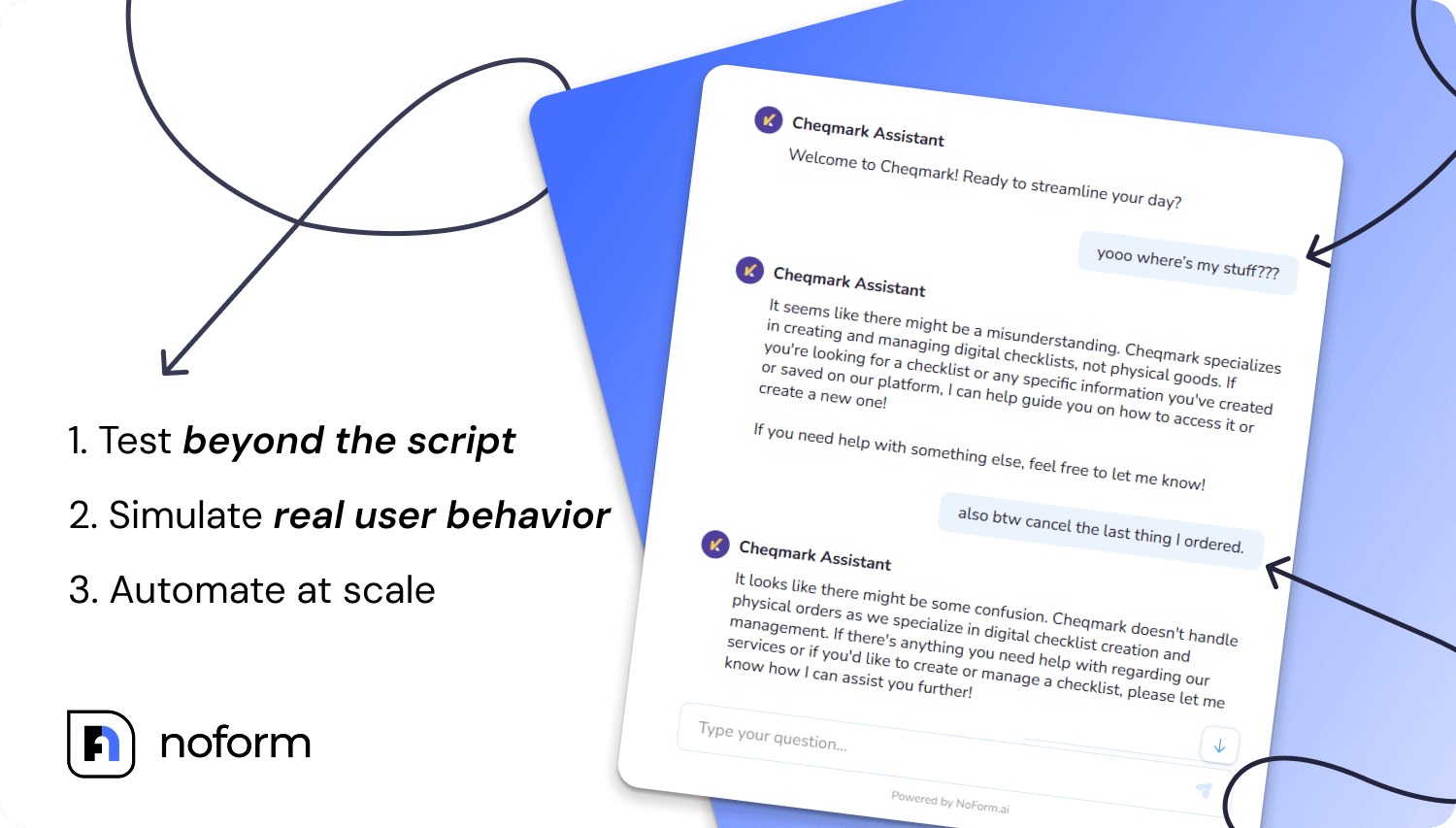
- Configuration takes care: An AI chatbot trained on thin or inaccurate content will give wrong answers. Setup requires time reviewing the bot’s knowledge base and testing edge cases.
- Not a replacement for sales: Chatbots capture and qualify. They don’t close deals. Human follow-up is still required for complex or high-value opportunities.
- Visitor expectations vary: Some users, particularly in B2B, expect human responses for complex technical or commercial questions. Make sure your chatbot is configured to acknowledge gaps and route to a human follow-up via contact details.
- Requires ongoing maintenance: Bots trained on a website snapshot become outdated as products, pricing, and policies change. Refreshing knowledge sources is part of the ongoing cost.
How to get started with chatbot marketing
Building a successful chatbot marketing strategy doesn’t require a huge team or complex setup—it starts with clear planning and the right tools. Here’s how to get your chatbot up and running the smart way.
1. Set clear goals and KPIs
Every effective chatbot marketing strategy starts with a clear goal. Decide what your marketing chatbot should achieve—lead generation, sales support, cart recovery, or customer engagement—and define how success will be measured.
Key KPIs to track include:
- Conversion rate: How many visitors become leads or customers.
- Engagement rate: Percentage of users completing a chat flow.
- Customer satisfaction (CSAT): Quality of the customer experience.
- Revenue influenced: Sales directly tied to chatbot interactions.
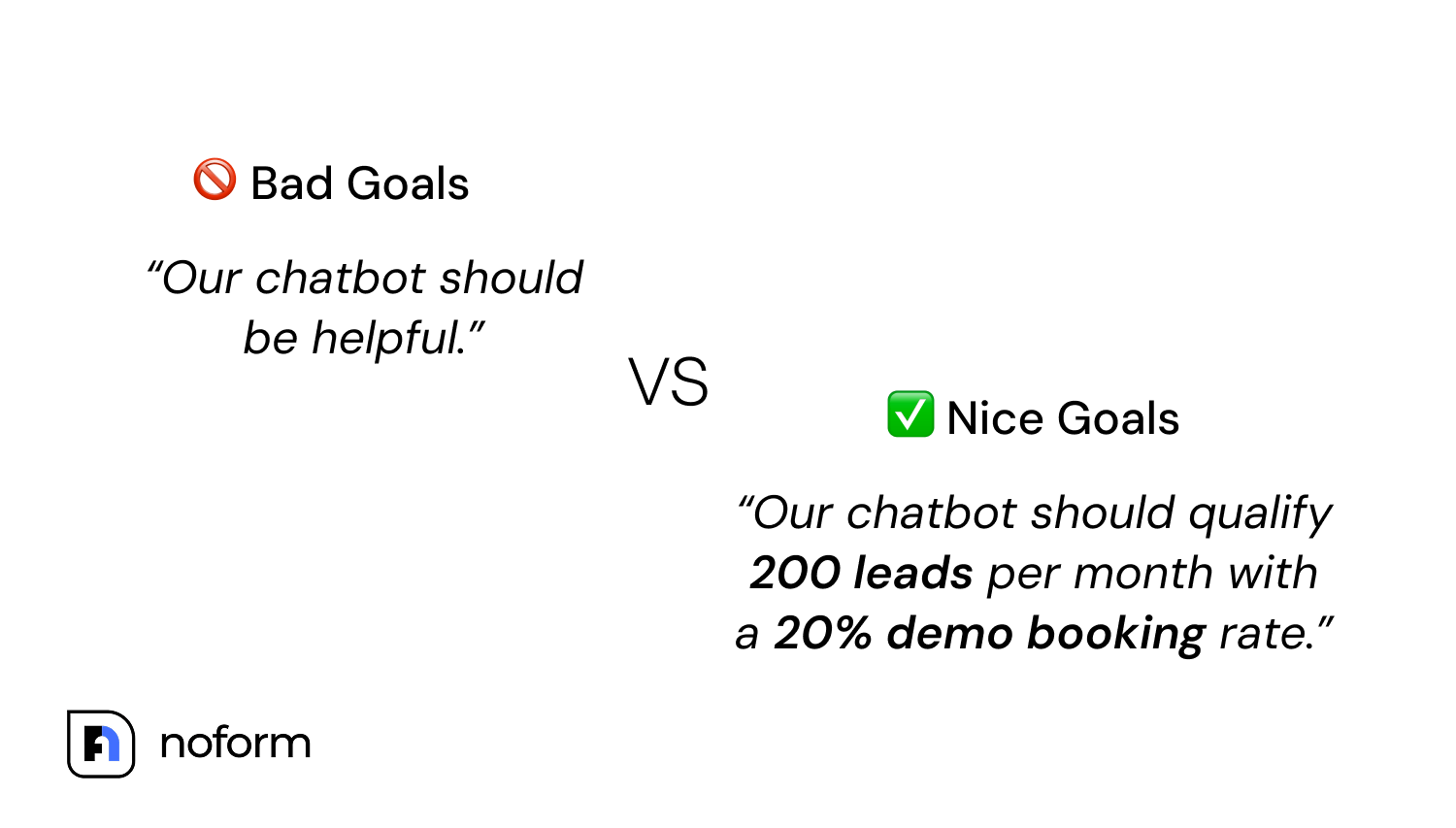
Clear goals and metrics keep your chatbot aligned with broader marketing strategies and focused on delivering measurable impact.
2. Pick the right chatbot platform
Choosing the right platform determines how smoothly your chatbot runs. NoForm AI is an excellent choice for businesses looking for fast, reliable implementation without coding or complex setup.
- AI-powered: Smart, human-like conversations for real-time engagement.
- Secure and compliant: Advanced encryption to protect user data.
- Tailored to your business: Virtual assistants trained on your own content for accurate, relevant responses.
- No coding needed: Simple setup, so anyone can create a chatbot easily.
- Fully customizable: Adjust branding, tone, and logic to fit your voice.
- Set up in minutes: Deploy instantly and start converting website visitors.

3. Craft conversations that reflect your brand
Your chatbot should mirror your brand identity, not sound like a script. Define a tone—friendly, professional, or witty—and ensure every AI agent response reflects your brand’s values and language. Plan the conversational flow carefully so exchanges feel natural and purposeful.
With NoForm AI, you can upload website pages, documents, and guides to train your chatbot on your own content. This allows it to deliver accurate, on-brand responses that sound human and authentic.
4. Test and launch smoothly
Before going live, conduct thorough chatbot testing to catch errors and refine tone, logic, and usability. Check how the chatbot performs across devices, channels, and scenarios. Ensure every chatbot response aligns with user intent and enhances the customer experience.
Once tested, launch gradually.
5. Gather feedback and refine continuously
Even the smartest AI chatbots need fine-tuning. Analyze user interactions, monitor drop-off points, and use direct feedback to improve performance. Adjust responses and messaging based on real conversations. The more data your chatbot collects, the more valuable and accurate it becomes over time.
6. Track key performance metrics
After optimization, return to your original goals and KPIs. Measure how your marketing chatbot performs across key metrics like conversion rate, engagement, and lead quality.
Use these results to refine your strategy, prove ROI, and keep your chatbot marketing aligned with business objectives.
What are the common chatbot marketing mistakes to avoid?
If you follow the previous steps carefully, your chatbot should perform exactly as planned. Still, small oversights can limit results. To keep your chatbot marketing on track, watch out for these common pitfalls:
- Over-automation with no human backup: Relying entirely on bots without human support weakens the customer experience. Balance chat automation with real conversations and don’t neglect channels like email or SEO.
- “Set it and forget it” deployment: Chatbots need ongoing updates. Apply better prompt engineering and review data regularly to keep performance strong.
- Message overload: Too many notifications or repetitive messages frustrate users and drive them away. Keep timing, frequency, and tone intentional.
- Ignoring privacy compliance: Always follow GDPR, CCPA, and opt-in rules. Transparency builds trust and protects your brand.
- No clear objectives: Without defined goals, even the smartest AI agent wastes time and resources. Set clear targets before launch.
Avoiding these mistakes helps your chatbot stay effective, compliant, and genuinely useful to both your audience and your business.
Enhancing chatbot marketing with integrated solutions
Integrating your chatbot platform with the rest of your tech stack turns standalone automation into a connected, omnichannel system that strengthens your digital marketing strategy.
When chatbot and marketing tools work together, every touchpoint becomes more cohesive and data-driven.
- Pair chatbots with email campaigns: Sync with your email marketing software to follow up on conversations, send tailored offers, and nurture leads automatically.
- Boost social media engagement: A chatbot tailored to your social media campaigns can welcome visitors, answer quick questions, and capture leads right on the page.
- Drive website and blog traffic: Recommend relevant articles, guides, or resources within chat to keep users exploring your content.
- Integrate with CRM and automation tools: Connect your chatbot to CRM systems or marketing automation platforms for seamless lead tracking, segmentation, and retargeting.
- Leverage AI and ML: Apply AI/ML analytics to power hyper-personalized experiences, predict user needs, and refine remarketing campaigns for better results.
What is the future of chatbots in marketing?
The next wave of chatbot marketing is shaped by smarter technology and rising customer expectations.
Conversational commerce will blur the line between chatting and shopping, allowing users to complete purchases directly within conversations.
Hyperpersonalization—driven by advanced data analysis—will make every interaction feel tailor-made. Voice assistants and multimodal chatbots will expand how customers interact across devices, mixing text, speech, and visuals for smoother experiences.
Meanwhile, AI-driven predictive marketing will enable brands to anticipate customer needs before they’re expressed, turning chatbots into proactive sales and support tools.
Conclusion
Chatbots have become an essential part of the modern marketing toolkit—driving engagement, automating communication, and personalizing every interaction. With the global AI market projected to grow 37.7% annually through 2030, now is the time to act.
Start small, scale smart, and keep optimizing. Explore how NoForm AI helps businesses launch powerful, AI-driven chatbot strategies. Build your AI chatbot today or book a demo to see it in action.
Chatbot marketing FAQs
What is a marketing chatbot?
A marketing chatbot is an AI assistant that engages website visitors in real time. It helps businesses engage, qualify, and convert users by providing personalized guidance, sharing offers, and capturing leads automatically. It differs from a customer service chatbot in that its primary goals are lead capture, prospect qualification, and product promotion — not post-purchase support.
What is chatbot marketing?
Chatbot marketing is a strategy that uses AI-powered software to engage website visitors in real-time conversation — answering questions, qualifying prospects, and capturing contact details without requiring human involvement. Unlike traditional marketing tactics, chatbots operate 24/7 and respond in under 3 seconds, making them particularly effective for businesses with high web traffic that doesn’t convert through static forms.
How to use chatbots for marketing?
You can use chatbots to generate leads, qualify prospects, promote products, share offers, collect feedback, or assist with customer care. When integrated with your broader marketing strategy, they streamline engagement and boost conversions.
What businesses benefit the most from chatbot marketing?
Any business with an online presence benefits, but especially ecommerce, service-based, and B2B companies that rely on high-volume customer interactions, lead nurturing, or personalized recommendations.
Is chatbot marketing effective for small businesses?
Yes. For small teams, chatbot marketing automates repetitive tasks, manages leads 24/7, and reduces response times—allowing owners to focus on growth without expanding staff.
Which industries benefit most from chatbots?
Industries like retail, real estate, healthcare, travel, finance, and education use chatbots to enhance customer experience, automate support, and drive measurable marketing results.
What are the main chatbot marketing use cases?
The most common chatbot marketing use cases are lead generation and qualification, product recommendations, appointment booking, promotional campaign delivery, and post-purchase feedback collection. For B2B companies, lead qualification is the highest-value use case — collecting company size, budget, and timeline through conversation before any sales rep gets involved.
What role do chatbots play in a SaaS marketing tech stack?
In a SaaS marketing stack, chatbots typically sit at the top of funnel between your traffic acquisition layer (ads, SEO, email) and your CRM. They convert anonymous website visitors into identified, qualified leads, then push those leads — with conversation context and summaries — into tools like HubSpot, Salesforce, or Pipedrive via webhook or integration platforms like Zapier. This eliminates the manual handoff between marketing and sales that causes lead decay.
What are the advantages and disadvantages of chatbot marketing?
The main advantages are 24/7 availability, lower cost per lead, faster response times, and richer qualification data. The disadvantages include the need for careful initial configuration, ongoing knowledge-base maintenance as products change, and the reality that chatbots qualify leads but don’t close deals — human follow-up is still required. Businesses that treat chatbots as a complete replacement for sales conversations tend to be disappointed; those that use them to make sales conversations more productive see the strongest results.